

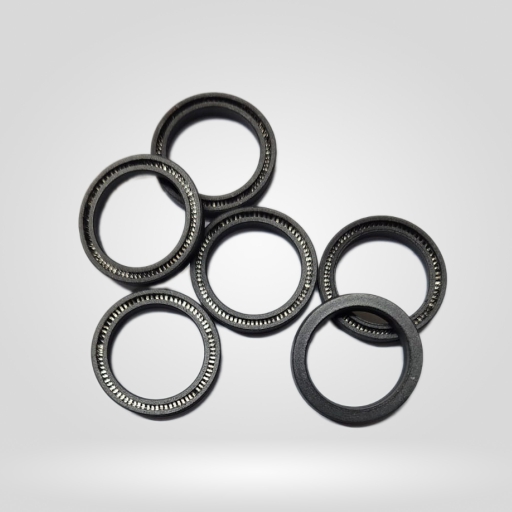
How It Works
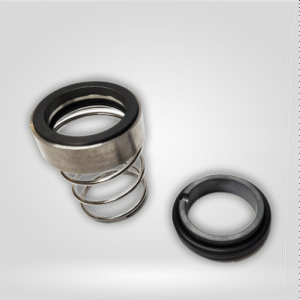
The internal spring continuously applies force to the sealing lip, maintaining tight contact with the mating surface. This compensates for wear, pressure fluctuations, thermal expansion, and low-pressure or vacuum conditions, delivering reliable sealing performance throughout the service life.
Key Features
- Consistent sealing force across wide pressure ranges
- Excellent performance in high-pressure, low-pressure, and vacuum conditions
- Resistant to chemicals, abrasion, and extreme temperatures
- Low friction and minimal wear on mating surfaces
- Suitable for dynamic, static, and rotary applications
- Long service life with reduced maintenance
Materials Available
- Jacket Materials: PTFE, filled PTFE, UHMWPE, PEEK, and other engineered polymers
- Spring Types: Stainless steel, Inconel, Elgiloy (based on application needs)
- Types of Spring Energised Seals
- Cantilever spring seals
- Helical spring seals
- Canted coil spring seals
- V-spring seals
- Each design is optimized for specific pressure, temperature, and motion requirements.
Applications
- Hydraulic and pneumatic systems
- Oil & gas equipment
- Chemical processing plants
- Aerospace and defense systems
- Semiconductor manufacturing
- Food, pharmaceutical, and medical equipment
- Cryogenic and high-temperature environments
Advantages Over Conventional Seals
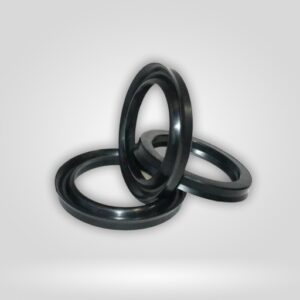
Spring Energised Seals outperform O-rings and lip seals in applications involving extreme conditions. They provide superior sealing reliability where elastomers may harden, swell, or fail.
Customization
Spring Energised Seals can be customized in terms of material, spring design, dimensions, and profiles to meet specific operating conditions and industry standards

Reviews
There are no reviews yet.